
Why is The Chametz in Western Maine?
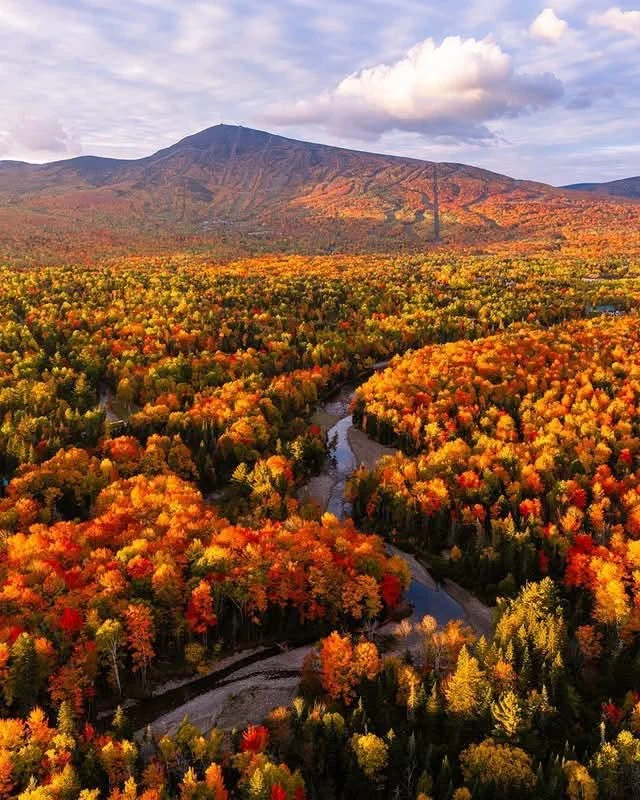
When people first learn about The Chametz, one of the very first questions they ask us is: Why Western Maine?
Why locate an experimental, worker-owned, 100-mile fine dining collective deep in the rural foothill town of New Vineyard—an area without ride-sharing apps, streetlights, or high-density foot traffic—rather than establishing ourselves in an established culinary hub like Portland, Boston, or Brooklyn?
The answer reaches to the absolute core of who we are: our culinary methodology, our political philosophy, our relationship to living ecosystems, and the way we choose to structure our daily lives. We didn't end up in Western Maine by accident or spatial compromise. We chose to put down deep roots here with fierce intentionality.
A Space to Build Our Experimental Regenerative Farm: Wasabi, Artichokes & Rare Heirloom Varietals
Living in rural Maine provided us with the physical space and land necessary to establish our own experimental regenerative farm directly on site.
Regenerative agriculture goes far beyond basic sustainability—it is an active, restorative methodology designed to rehabilitate soil biology, increase organic matter, capture atmospheric carbon, retain moisture, and foster thriving insect and microbial ecosystems. We don't use synthetic fertilizers, chemical pesticides, or heavy industrial machinery that compacts the soil. Because we operate our own experimental farm, we aren't tied to the financial constraints of commercial monoculture farms. We have the freedom to cultivate delicate, challenging, and rare heirloom varietals that commercial growers cannot afford to risk:
Fresh Cool-Water Wasabi: Cultivated in shaded, cold-water pots designed to mimic mountain streams, producing sweet, complex, living wasabi root lightyears away from commercial horseradish pastes.
Mountain-Grown Artichokes: Overwintered using specialized low-tech insulation methods to yield tender, hyper-local artichoke hearts in the high country.
Rare Heirloom Varietals: Including Mexican heirloom varietals like Chupón de Malinalco tomatillos—a sweet, husk-wrapped fruit with deep tropical flavor notes—alongside ancient heritage lettuces, rare chicories, and uncommon root crops.
Operating our own farm allows our kitchen team to step out into the fields hours before dinner, harvesting ingredients at the exact micro-moment of peak flavor and sweetness.
Prolific Wild Foraging & Ecological Harvesting of Invasives
The vast, unbroken forest canopy, damp river valleys, and mountain ridges surrounding New Vineyard represent one of the most prolific wild foraging landscapes in North America. Throughout the seasons, our worker-owners and forager partners trek into the woods to harvest abundant wild flora and fungi:
Prized Wild Mushrooms: Throughout spring, summer, and autumn, our forests yield incredible flushes of wild matsutake (pine mushrooms) with their distinct cinnamon-pine aroma, golden chanterelles, vivid lobster mushrooms, black trumpets, and sweet oyster mushrooms.
Wild Herbs & Forest Greens: Wild ramps, spruce tips, sweet fern, wintergreen, watercress, and edible mountain berries.
Ecological Harvesting of Wild Invasives: Our foraging philosophy extends directly to environmental stewardship. We actively identify, harvest, and cook aggressive invasive plant species like Japanese knotweed. By harvesting young knotweed shoots in early spring—which feature a bright, tart flavor profile reminiscent of rhubarb—we actively mitigate invasive spread along local waterways while transforming an ecological threat into a delicious, seasonal culinary feature.
Bringing World-Class Fine Dining & Cooperative Equity to Rural Communities
For generations, the food industry has operated under a implicit assumption: that multi-course fine dining, experimental gastronomy, and progressive economic models belong exclusively in dense, wealthy urban centers. Rural communities—where average household incomes are historically lower—are routinely left with limited dining options and corporate chain dominance.
We reject that urban bias entirely. Rural communities deserve access to world-class culinary art and democratic economic models right in their own backyards.
Bringing a Prix-Fixe Dining Experience to Western Maine
Prior to the opening of The Chametz, there were no dedicated, multi-course prix-fixe tasting experiences operating in our immediate region of Western Maine. We built The Chametz to prove that exceptional, uncompromised fine dining can thrive in a rural setting, offering local residents and regional travelers an elevated culinary destination without requiring a multi-hour drive to Portland or Boston.
Worker-Owned Cooperatives as Rural Economic Anchors
Building a 100% worker-owned collective in a rural area carries profound economic significance. Drawing direct inspiration from global cooperative models like Mondragon in Spain and Bob's Red Mill in Oregon, operating as an equal collective ensures that:
Resources Stay Local: The wealth generated by our business doesn't flow out of Franklin County to absentee investors or corporate shareholders sitting in city offices.
Equitable Income Distribution: Every worker-owner shares equally in the profits, governance, and long-term equity of the business, helping build genuine economic security in an area where average wages are often depressed.
Dignity in Rural Labor: The cooks, farmers, dishwashers, drivers, and service hosts hold equal votes and equal ownership, proving that rural hospitality can be a viable, dignified, lifelong career rather than an extractive seasonal job.
Mountain Life, Outdoor Recreation & Living Close to the Land
On a personal level, our decision to settle in Western Maine was driven by a desire to fundamentally change how we live. After spending our entire lives living, working, and burning out in dense, high-friction cities, we wanted to live closer to nature, breathe clean mountain air, and build a life connected to the rhythm of the seasons.
Living in New Vineyard places us directly in the heart of one of the northeast's premier outdoor recreation regions:
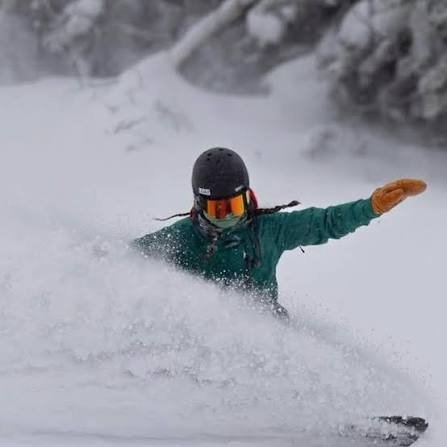
Alpine Skiing & Riding: Just a short drive from world-class terrain at Sugarloaf and Saddleback Mountain.
Lakes & Rivers: Flanked by the serene waters of the Rangeley Lakes, the Belgrade Lakes region, and the wilderness of Mt. Blue State Park.
Hiking & Trail Culture: Close to the trailheads of the Appalachian Trail, drawing thru-hikers, backcountry adventurers, and nature lovers from around the globe.
Vibrant Local & Academic Communities: We are proud to sit close to the energetic academic and cultural community surrounding the University of Maine at Farmington (UMF), local public schools, and historic downtowns like Farmington and Kingfield.
Living here allows our worker-owners to spend their morning hiking mountain trails, skiing powder, or paddling local ponds before stepping into the kitchen or taking the shuttle van out to pick up our guests. This balance keeps us grounded, healthy, energized, and deeply inspired every single day. We hope you are able to partake in the bounties of the region with us.
