
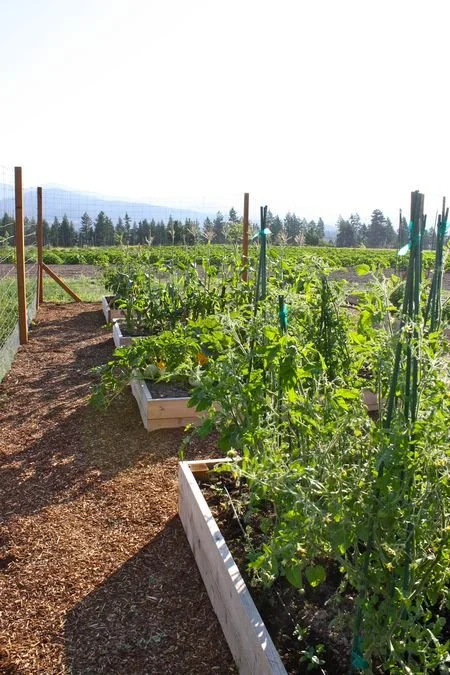
When people first learn about The Chametz, one of the very first questions they ask us is: what does the 100 mile sourcing radius mean?
Our foundational rule at The Chametz is absolute: 99% of ingredients served across our 7-course tasting menu must be grown, farmed, caught, or wild-harvested strictly within a 100-mile radius.
In many parts of the country, a 100-mile restriction would severely limit what a fine-dining kitchen could accomplish. In Western Maine, however, drawing a 100-mile circle around our kitchen places us directly inside one of the most vibrant, diverse, and historically rich agricultural ecosystems in the United States. Far from feeling restrictive, this boundary unlocks a vast universe of seasonal flavor.
The answer reaches to the absolute core of who we are: our culinary methodology, our political philosophy, our relationship to living ecosystems, and the way we choose to structure our daily lives. We didn't end up in Western Maine by accident or spatial compromise. We chose to put down deep roots here with fierce intentionality because of our commitment to creating an experience that reflects this exact and place. An experience that can never happen again by design. A beautiful, ephemeral taste.
Unrivaled Agricultural Wealth & Heritage Grains
We sit right at the doorstep of the North-Eastern grain revival. We source organic, stone-ground flours and heritage grains directly from Maine Grains in Skowhegan—a powerhouse regional grain mill housed in a repurposed historic jail that has revitalized regional grain economies across New England—alongside exceptional independent growers like Rusted Rooster Farm and other local heritage grain producers. From regional flint corn to ancient rye and hull-less oats, these grains form the fragrant, living backbone of our daily bread, pastas, and pastry work.
Maine's agricultural identity is world-renowned, due in large part to the pioneering leadership of the Maine Organic Farmers and Gardeners Association (MOFGA). As the oldest and largest state organic organization in the country, MOFGA has cultivated a culture of rigorous ecological stewardship, celebrated every autumn at the legendary Common Ground Fair in Unity, Maine.
Furthermore, Maine continues to sit at the absolute national forefront of progressive legislative action—passing ground-breaking laws to protect small-scale farms, safeguard water rights, fight chemical contamination, support organic transition programs, and fund regenerative farming research. Living and operating here means working alongside a agricultural community protected and uplifted by forward-thinking policy.
Traditional Agricultural Mastery of the Western Maine Amish Community
In the rural valleys surrounding New Vineyard and throughout Western Maine, we share the landscape with a thriving, highly skilled Amish community. Their master farmers bring generations of traditional agricultural knowledge, meticulous draft-horse cultivation, rotational grazing techniques, and horse-drawn tillage to our local food web. Partnering with these farms gives our kitchen access to exceptionally grown produce, heritage root crops, and raw agricultural goods crafted with unmatched discipline and care.
World-Class Artisan Creameries
Our cheese and dairy program draws from some of the most celebrated cheesemakers on the planet, all residing within our immediate regional watershed. HayMay Creamery is directly down the road in Farmington, crafting small-batch, grass-fed dairy products that taste intensely of our local pastures. Crooked Face Creamery in Skowhegan, is renowned for their award-winning, small-batch whole milk ricotta and cold-smoked cheeses. Jasper Hill Farm in Vermont, whose world-standard, cave-aged cheeses set the benchmark for American artisan dairying. Being located in rural Maine means our cheese cart isn't sourced through a commercial distributor’s catalog—it is filled directly by the hands of the people who tend the pastures and age the wheels.
A World-Standard Coast: The Gulf of Maine & Sustainable Maritime Harvests
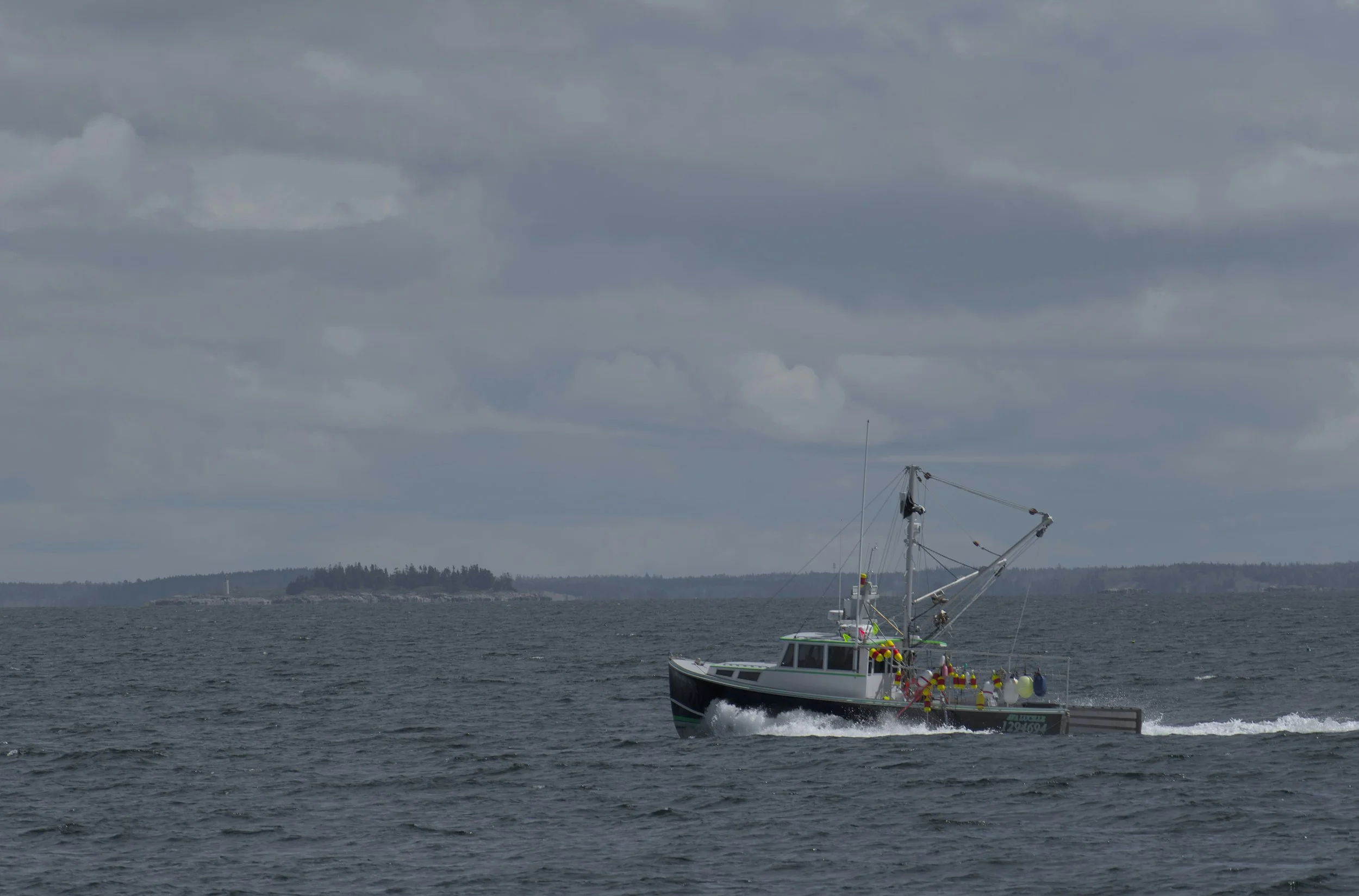
While our secret venue is tucked into the quiet mountain woods, our 100-mile geographic radius reaches directly out into the frigid, nutrient-dense waters of the Gulf of Maine. The cold-water ecosystem of the Gulf yields a recognized global gold standard for seafood. The pristine estuaries, clean tidal rivers, and rocky coastlines supply our kitchen with pristine, cold-water oysters from small-scale oyster farmers along the coast, sweet Maine lobster, and wild deep-water mussels. We source wild fish caught by independent, small-boat Maine fishermen committed to sustainable catch limits and quota stewardship. Maine is leading the globe in land-based and low-impact ocean aquaculture. We partner with pioneering, ecologically responsible farms and kelp growers operating along the coast, ensuring our seafood courses reflect both centuries of maritime heritage and the future of sustainable ocean stewardship.
Ethical Animal Husbandry & Respectful Living Systems
We hold a fundamental belief that exceptional culinary quality is utterly inseparable from animal welfare, environmental ethics, and human dignity. We refuse to source meat from industrial supply chains or concentrated animal feeding operations (CAFOs).
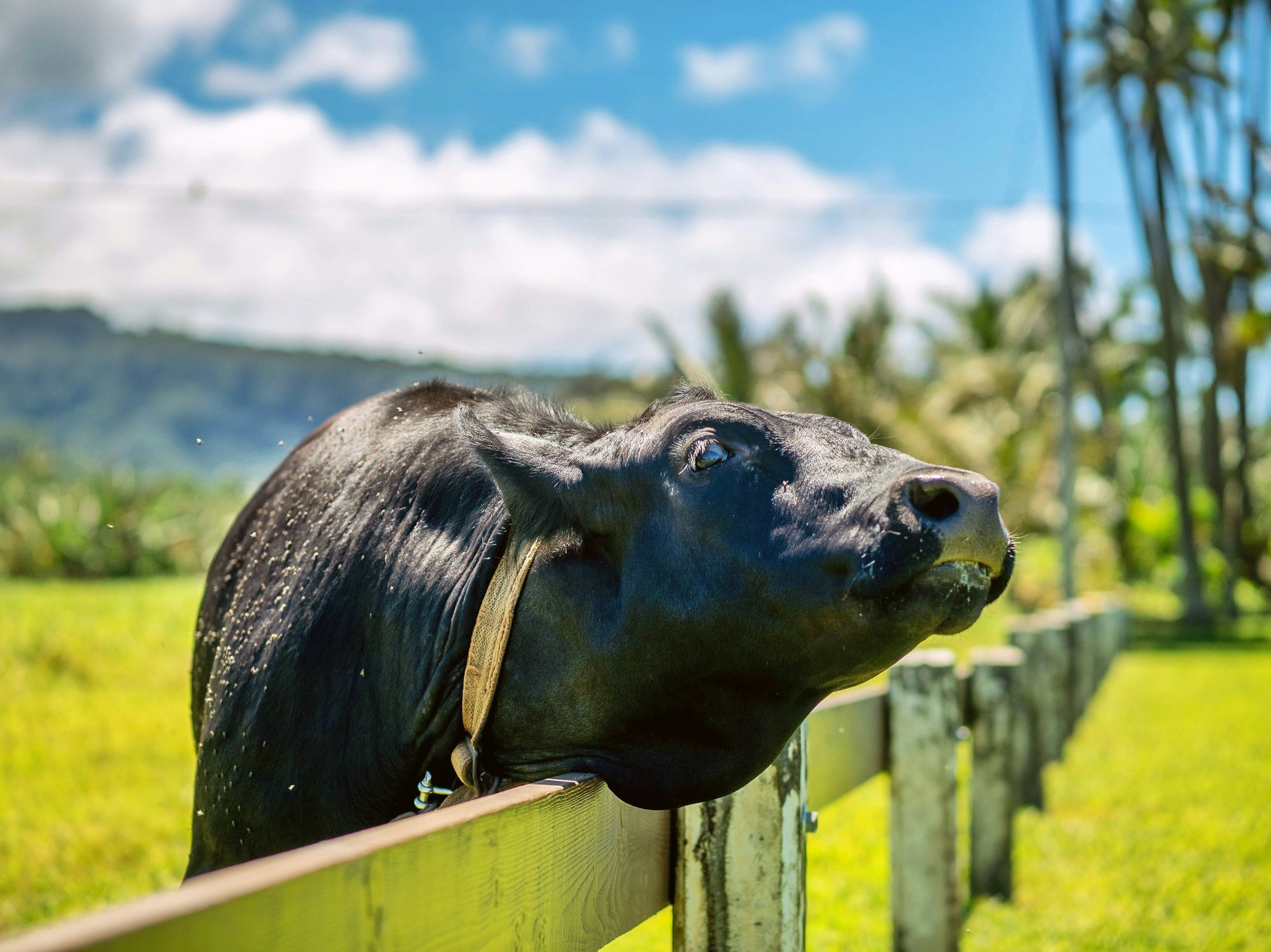
The livestock served at our table—including grass-fed beef cattle, heritage-breed pork, pasture-raised poultry, and local lamb—come exclusively from regional farms practicing intentional, regenerative animal husbandry. Animals are raised outdoors on living pasture with access to fresh air, clean water, natural sunlight, and room to forage and move naturally according to their instincts. Farmers move herds strategically across pastures to build soil fertility, encourage diverse forage species, and prevent land erosion. Treating animals with profound respect, health, and dignity throughout their lives isn't just an ethical imperative; it produces meat with unmatched flavor, marbling, nutrient density, and texture. When an animal has lived a healthy, low-stress, pasture-based life, you taste the difference on the plate.
